
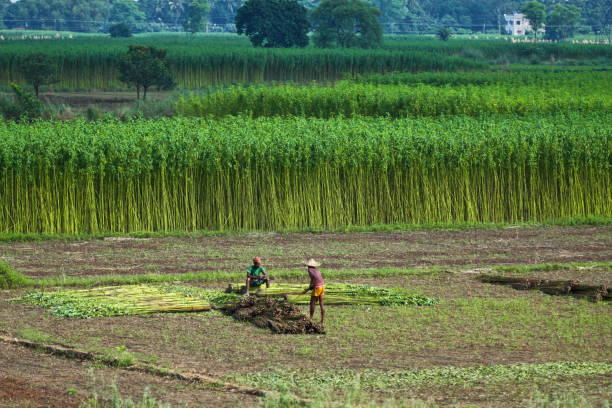
Cultivating Eco-Friendly Fibers
In recent years, there has been a growing emphasis on sustainable agriculture and eco-friendly practices in various industries, including the production of natural fibers like jute. Jute, often referred to as “the golden fiber,” is not only versatile and durable but also environmentally friendly due to its minimal impact on the ecosystem. Let’s explore the importance of sustainable jute farming practices and how they contribute to a greener future.
1. Understanding Jute Cultivation
Jute cultivation is primarily concentrated in regions with favorable climate and soil conditions, such as Bangladesh, India, China, and Thailand. The jute plant (Corchorus species) is an annual crop that thrives in tropical and subtropical climates, requiring sufficient rainfall and well-drained soils.
2. Eco-Friendly Farming Techniques
Sustainable jute farming begins with adopting eco-friendly techniques that minimize environmental impact and promote soil health. These techniques include:
- Crop Rotation: Rotating jute with other crops helps prevent soil depletion and reduces the risk of pests and diseases.
- Natural Fertilizers: Using organic fertilizers, such as compost and farmyard manure, enriching the soil without harmful chemicals.
- Integrated Pest Management (IPM): Implementing IPM strategies reduces reliance on chemical pesticides by encouraging natural pest predators and using biopesticides.
- Water Conservation: Employing drip irrigation and rainwater harvesting techniques minimizes water usage and promotes efficient resource management.
3. Benefits of Sustainable Jute Farming
Embracing sustainable practices in jute farming offers several environmental and socio-economic benefits:
- Preservation of Biodiversity: By avoiding monoculture and chemical-intensive methods, sustainable jute farming preserves local biodiversity and ecosystem health.
- Reduced Carbon Footprint: Jute plants are effective carbon sinks, absorbing carbon dioxide (CO2) from the atmosphere during growth and processing.
- Empowering Rural Communities: Sustainable jute farming supports livelihoods in rural areas, providing employment opportunities and income generation for farmers and artisans.
4. Global Impact and Market Demand
The global demand for sustainable and eco-friendly fibers is on the rise, driven by consumer awareness of environmental issues and the shift towards green products. Jute’s biodegradability, renewability, and low environmental footprint make it a preferred choice for industries seeking eco-conscious materials.
5. Future Outlook
As the world embraces sustainability as a core value, the future of jute farming looks promising. Innovations in cultivation techniques, product diversification, and market integration are paving the way for a more sustainable jute industry.
In conclusion, sustainable jute farming practices play a vital role in promoting environmental stewardship and ensuring the longevity of the jute industry. By adopting eco-friendly techniques, farmers can contribute to a greener planet while meeting the growing demand for sustainable fibers in global markets.